After a fire, the smell is the part that outlasts the cleanup – because smoke penetrates porous materials at a molecular level. Professionals use three main odor-neutralization technologies, and DriForce Property Restoration runs all three on Metro Detroit fire losses. Here is how they actually work, and when each is the right tool.
Why Store-Bought “Smoke Bombs” and Sprays Fail
Hardware-store odor foggers and sprays are masking agents: they layer a fragrance over the odor molecules instead of neutralizing them, which is why the smell returns in days – usually first on humid mornings. Ozone, hydroxyl, and professional thermal fogging work differently: they chemically alter or neutralize the odor compounds themselves. The difference is not marketing – it is whether the odor molecule still exists when the treatment is done.
What Is Thermal Fogging?
Thermal fogging recreates the physics of the fire itself: a deodorizing compound is heated into a fine fog that penetrates materials the same way the smoke did – into wall cavities, upholstery, and trim gaps. It is the classic treatment for structure-wide odor after significant smoke spread, and it is why surface cleaning alone fails on smoke odor.
How Does Ozone Treatment Work – and Why Must the House Be Empty?
Ozone generators produce O3, which chemically oxidizes odor molecules rather than masking them. It is highly effective – and it is used only in unoccupied, sealed spaces. People, pets, and plants must be out during treatment and the space aired afterward. That safety requirement is not a flaw; it is how the chemistry works, and any contractor running ozone with the family home is a red flag.
What Is a Hydroxyl Generator?
Hydroxyl generators use UV wavelengths to produce hydroxyl radicals that neutralize odors more gently than ozone – safe for occupied spaces, which means treatment can run for days while you stay in your home. They work more slowly than ozone but remove the vacate-the-house problem. Our crews deploy a commercial hydroxyl unit on fire damage restoration jobs where families remain in place.
Why Smoke Odor Outlasts the Cleanup
Smoke is not one thing — it is a mix of gases and microscopic particles, many smaller than a micron, that ride heat currents into places no sponge reaches: duct interiors, wall cavities, the gap behind baseboards, the foam inside furniture, even the adhesive layers under flooring. As the house cools after a fire, those particles condense onto surfaces and soak into porous material along with volatile organic compounds that keep off-gassing for months. That is why a home can smell fine for two weeks and then reek again on the first humid day or the first time the furnace runs — heat and moisture re-volatilize what settled. Effective deodorization has to reach every place the smoke reached and chemically neutralize the residue, which is exactly what separates the three professional technologies below from anything sold in a spray can.
What Each Treatment Typically Costs and How Long It Takes
For planning purposes: hydroxyl treatment is the marathon runner — machines run continuously for two to five days in occupied homes, and cost scales with runtime. Ozone is the sprint — typically 24 to 48 hours per cycle in an empty, sealed structure, often the most economical for severe whole-home odor when the family is already displaced. Thermal fogging is a technician-day treatment, priced by the areas treated, and usually happens once cleaning is complete. On insurance losses these treatments are standard line items in a fire claim — carriers know odor neutralization is part of returning a home to pre-loss condition, and we scope them accordingly. The honest sequencing matters more than the price of any single tool: source removal and cleaning first, then the matched technology, then verification. Paying for fogging over uncleaned soot is paying twice.
Which Treatment Does Your Loss Need?
Usually a sequence, not a single tool: source removal first (charred material out), then HEPA air filtration, then the odor technology matched to occupancy and severity – fogging for penetration, ozone for speed in empty structures, hydroxyl for occupied homes. Crews responding from Royal Oak and surrounding cities carry the full sequence.
The Order of Operations Matters
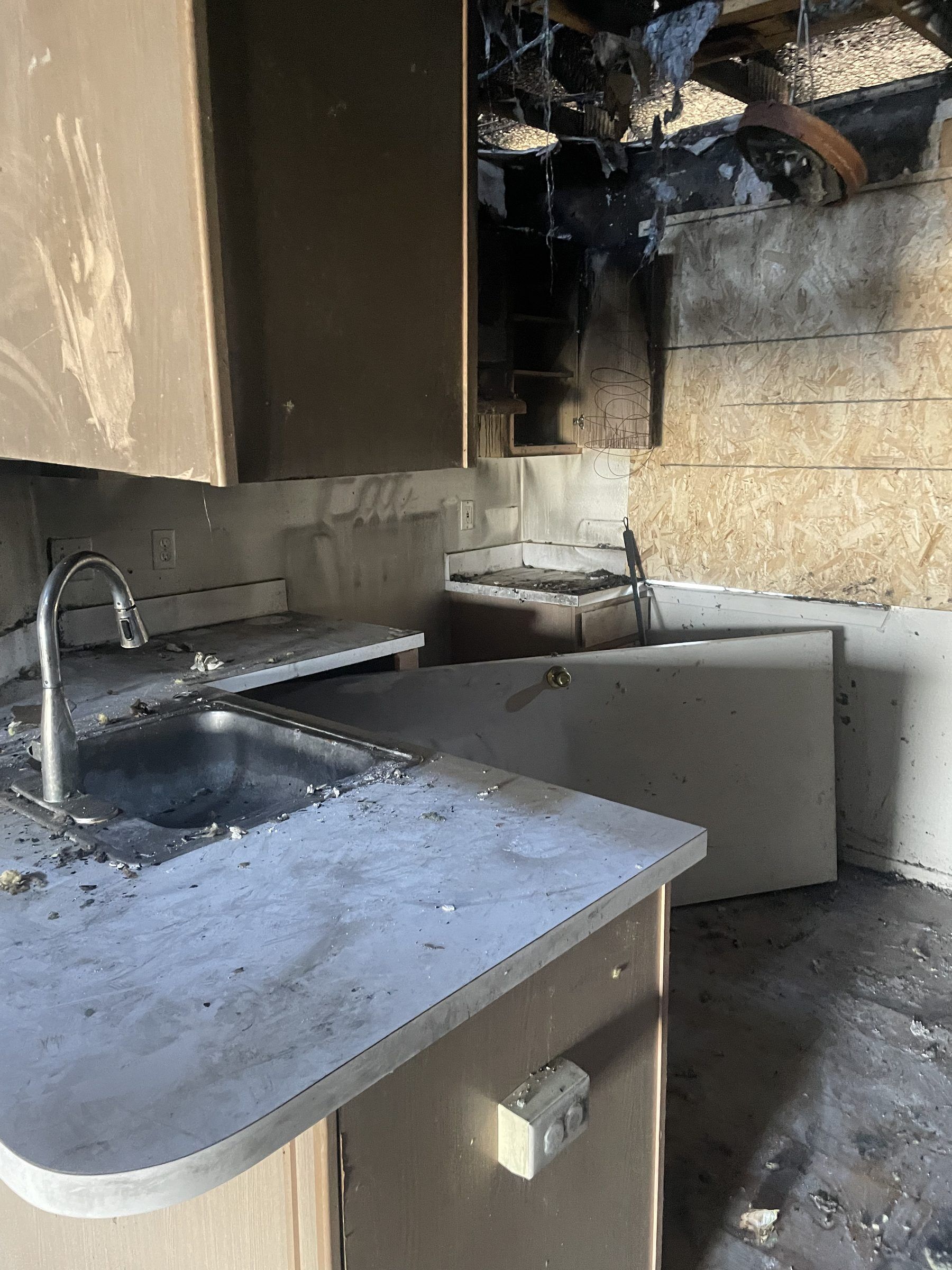
Odor treatment before source removal is money burned: treating a room that still contains charred framing or saturated insulation neutralizes today’s airborne molecules while the source keeps emitting new ones. The professional sequence is fixed for a reason – remove, clean, filter, THEN neutralize – and if an estimate jumps straight to “we will fog it,” the source-removal step is being skipped.
Contents vs. Structure: What Gets Treated Where
Structure (framing, drywall, subfloor) is treated in place with the methods above. Contents – furniture, clothing, electronics, documents – often do better OUT of the house: soft goods respond to specialized laundering, and sensitive items can be treated in a controlled ozone chamber rather than a whole-house treatment. Splitting the loss this way also splits the insurance scope cleanly between structure and contents, which speeds the claim.
The Michigan Wrinkle: Cold-Weather Fires and Sealed Houses
Metro Detroit’s fire season peaks in winter — space heaters, fireplaces, and overloaded circuits — and winter fires create a specific odor problem: the house is sealed tight, so smoke saturates deeper before it vents, and sub-freezing outdoor air limits the natural airing-out that helps in summer. Treatment plans shift accordingly. Hydroxyl generators do more of the work because doors and windows stay closed; duct systems get priority attention because a winter furnace recirculated smoke through every register; and drying from firefighting water runs alongside deodorization so trapped humidity does not keep re-activating odor. If your fire happened in January, expect the odor phase to be more thorough than a summer loss of the same size — that is the building physics, not upselling.
When Odor Treatment Is Not Enough
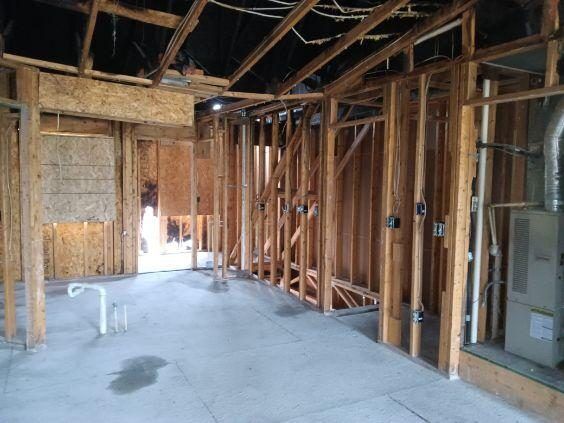
Some materials cannot be saved at any treatment intensity: charred structural wood, melted plastics, heavily saturated insulation, and porous items that took direct smoke at high heat. Part of an honest scope is naming what gets removed and rebuilt versus what gets treated – our crews document that split room by room, because a treated house with one saturated wall cavity left behind is a callback waiting to happen.
Frequently Asked Questions
How Do You Verify the Odor Is Actually Gone?
Your nose adapts within minutes inside your own home – which is why “it seems better” is not a standard. Professional verification uses a fresh set of trained noses after the space has been closed up for several hours, plus a re-check on the next humid day, because humidity is what re-activates surviving odor molecules. On insurance losses we document the verification the same way we document moisture readings on a water job: the file shows the loss was closed, not just treated.
Is Any of This Safe for Kids and Pets?
Hydroxyl treatment is the family-friendly option – occupied spaces are its whole purpose. Thermal fogging requires vacating during application and airing out after, typically a same-day process. Ozone is the strict one: nobody, including pets, fish tanks, and houseplants, stays during treatment, and re-entry waits until the space is cleared. A crew that walks you through this schedule before starting is a crew that has done it before; a crew that shrugs is a red flag.
Schedule Fire & Smoke Damage Restoration in Metro Detroit with DriForce Property Restoration
Call DriForce Property Restoration at (888) 838-7170 or request service online – crews dispatch 24/7 with a 60-minute response commitment across Metro Detroit.