

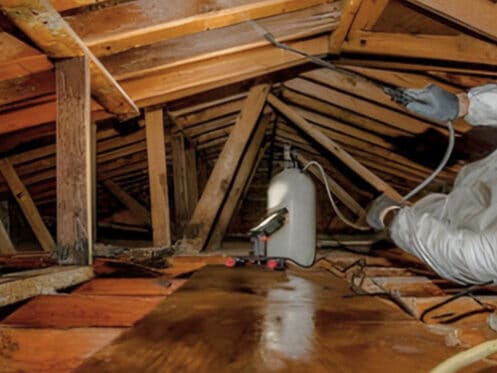
Mold is the one restoration problem that grows while you think about it. In Michigan homes it thrives on our humid summers, our long condensation-prone winters, and our below-grade basements — and once it establishes, it spreads through drywall, framing, and air ducts on its own schedule. DriForce Property Restoration remediates mold across Metro Detroit and the Blue Water Area every week. This is the complete guide we wish every Metro Detroit homeowner read early, before the problem spreads: what actually causes mold in our climate, how professional removal really works step by step, what is genuinely safe to handle yourself, and how to keep it from ever coming back.
What Causes Mold in Michigan Homes?
Mold needs three things: moisture, organic material to feed on, and about 24–48 hours undisturbed. The material is your house — drywall, wood, insulation paper, carpet pad — so in practice, every mold problem is a moisture problem wearing a disguise. The Michigan-specific sources we trace losses back to, in order:
- Leaks — slow ones most of all. A pinhole supply line inside a wall, a failing roof valley, a window that seeps every storm. Sudden bursts get cleaned up; slow leaks feed mold for months unseen.
- Damp basements. Below-grade concrete wicks ground moisture year-round, and a finished basement traps it behind drywall and carpet — which is why basements are the single most common place we find serious growth.
- Humidity and poor ventilation. Indoor humidity above roughly 55–60% grows mold with no leak at all — bathrooms without exhaust fans, closed-up rooms, crawlspaces, and kitchens that vent nowhere.
- Winter condensation. Michigan’s signature cause: warm indoor air hitting cold windows, exterior-wall corners, and attic sheathing condenses daily all winter, quietly feeding growth behind furniture and inside closets on outside walls.
- Water damage that was never professionally dried. A flooded basement or burst pipe that got “dried with fans” leaves moisture inside wall cavities — mold announces the shortcut months later.
- Older homes. Original windows, minimal insulation, and decades of minor leaks make pre-1980 housing stock — most of Royal Oak, Berkley, Warren, and the inner-ring suburbs — especially prone.
How Professional Mold Removal Actually Works
Legitimate remediation follows the IICRC S520 standard, and it looks nothing like spraying a wall with cleaner. Here is the sequence on a DriForce Property Restoration job:
- Assessment and moisture mapping. We find every affected surface — including what is hidden inside walls and under flooring — and, critically, identify the moisture source that caused it. Removing mold without fixing the source is renting a solution.
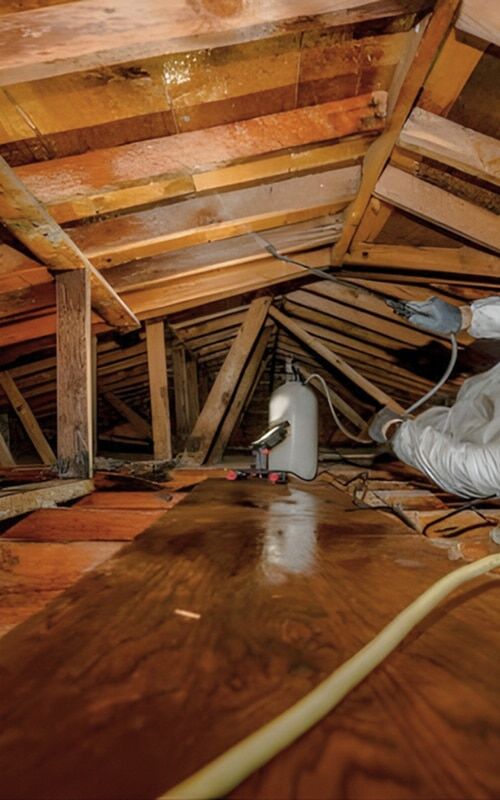
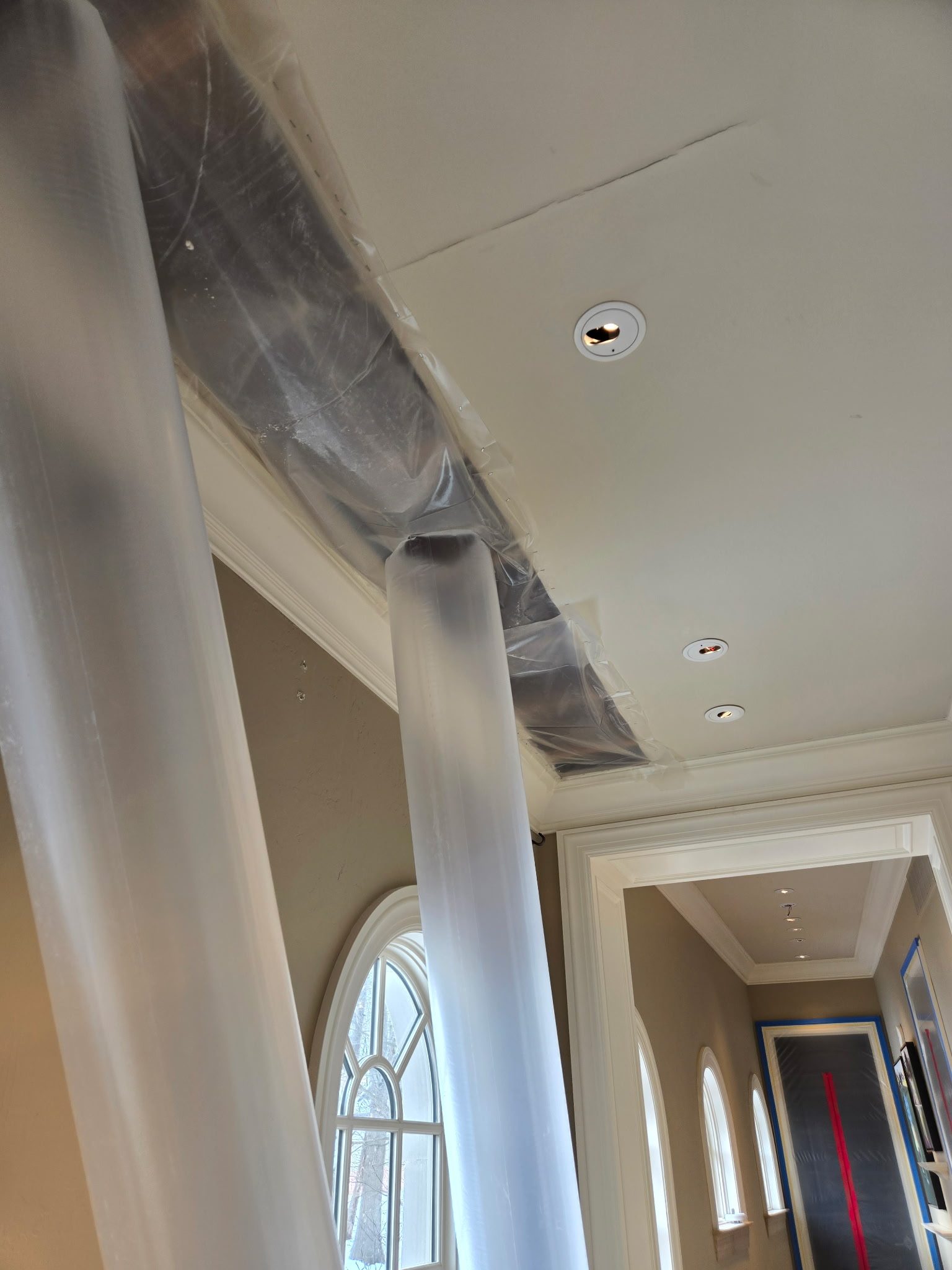
- Containment. Plastic barriers and negative air pressure seal the work zone so disturbed spores cannot travel through the house or the HVAC system. Containment going up on day one is the clearest sign you hired a company that works to standard.
- Protective equipment and air filtration. Technicians work in PPE while HEPA air scrubbers run continuously, capturing airborne spores down to sub-micron size.
- Removal of what cannot be saved. Porous materials with established growth — drywall, insulation, carpet pad — are cut out and disposed of in sealed bags. Non-porous surfaces are HEPA-vacuumed and treated with antimicrobials.
- Drying and verification. Commercial dehumidification brings the structure to documented dry standard, because mold returns to moisture like it never left. Daily readings — not the calendar — decide when the equipment comes out.
- Repair and rebuild. As a licensed Michigan builder, the same company that removed your mold rebuilds the wall — one accountable team from containment to the final coat of paint.
Mold After a Flood: The 48-Hour Clock
If your mold followed a flooded basement, a burst pipe, or storm water, understand the timeline you are on: growth establishes within 24–48 hours of the water event, and every additional day multiplies the affected area. That is why professional water damage restoration and mold prevention are the same discipline — fast extraction and verified structural drying inside that window usually means no remediation is ever needed. Water that sat for days, or was never professionally dried, almost always means containment and removal later. If the water came from a sewer or drain backup, the contamination adds a sanitation layer on top of the mold work.
DIY or Professional? The Honest Line
Not every patch of mold needs a crew in PPE. A small surface patch — under about 10 square feet, on a non-porous surface, with the moisture source fixed — is a reasonable DIY job: scrub with detergent, dry the area completely, and watch it. Skip the bleach myth; on porous materials bleach kills surface growth while the roots survive, and the moisture bleach leaves behind feeds regrowth.
Call a professional when any of these is true: the growth covers more than ~10 square feet; it keeps returning after cleaning; it is inside walls, insulation, or HVAC ducts; the home had a flood or sewage event; you smell must but cannot find the source; or anyone in the house has respiratory issues, allergies, or a compromised immune system. Choosing that contractor is its own decision — our guide to choosing a mold removal company covers the certifications and questions that separate real remediators from fogging salesmen.
Keeping It Gone: Year-Round Prevention
Prevention is moisture discipline, season by season. Summer: run a dehumidifier in the basement and keep indoor humidity under ~55%. Fall: clean gutters, grade soil away from the foundation, and fix roof or window leaks before the freeze. Winter: run bath and kitchen exhaust fans, crack ventilation into closed rooms, and check exterior-wall closets and window sills for condensation weekly. Spring: inspect the roof and attic after thaw, test the sump pump before the rains. And after any water event of any size, dry the area completely within 48 hours — or have it dried professionally. If a claim is involved, our guide to mold and homeowners insurance in Michigan explains what coverage you can expect.
What Does Mold Removal Cost in Michigan?
The honest answer is that scope drives everything, and two numbers matter more than any average: how many square feet are affected, and how much porous material has to come out. A contained closet with surface growth on one wall is a fundamentally different project than a finished basement where mold lives behind the drywall, under the carpet, and in the ductwork. Containment requirements, HEPA equipment run-time, the amount of drywall and insulation removed, post-remediation verification, and the rebuild all scale with that footprint — and if a sewage backup or long-standing leak caused the growth, sanitation and source repair add their own line items. Any company quoting a flat price sight-unseen is a red flag; a legitimate quote follows an inspection and comes as a documented scope you can hand to your insurance adjuster. Our mold remediation service page covers the full process, and every DriForce Property Restoration project starts with that written, room-by-room scope — so you know exactly what the work involves before anyone cuts a wall.
Frequently Asked Questions
Found Mold? Get a Professional Assessment from DriForce Property Restoration
Call DriForce Property Restoration at (888) 838-7170 or request service online — IICRC-certified mold remediation across Metro Detroit and the Blue Water Area, with documented scopes before work begins.