When you search for a company that removes mold in Metro Detroit, you are usually not shopping — you are dealing with a spreading problem behind drywall, under flooring, or in a basement that flooded last month. DriForce Property Restoration has handled mold remediation across Oakland, Macomb, Wayne, and St. Clair counties for more than 16 years, and this guide explains exactly what separates a qualified mold removal company from a carpet cleaner with a fogger.
What Should a Mold Removal Company Actually Do?
Professional mold remediation is a process, not a spray. A qualified company contains the affected area, removes contaminated materials safely, treats the source moisture problem, and verifies clearance afterward. If a contractor skips the moisture diagnosis, the mold returns — because mold is a symptom, and water is the disease. Our mold remediation service always starts with finding the water.
Containment Comes Before Cleanup
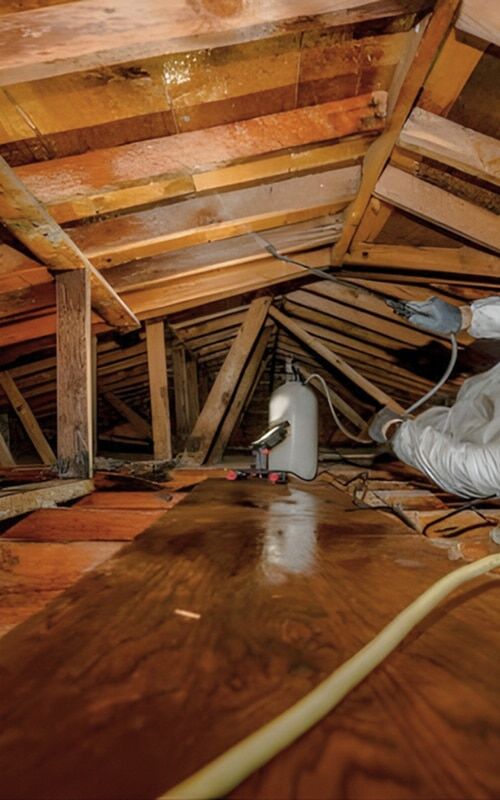
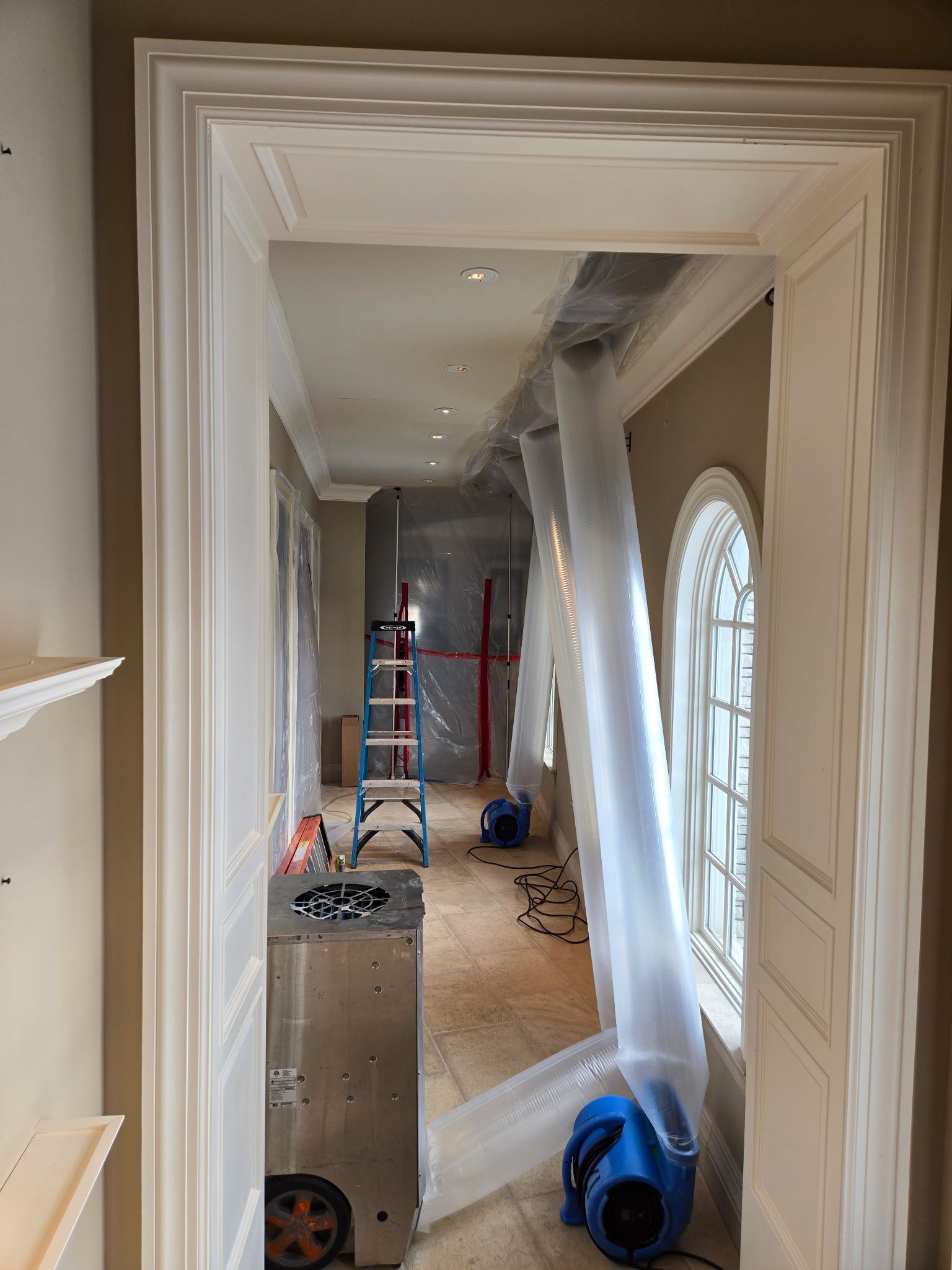
Disturbing mold colonies without negative-air containment spreads spores through the HVAC system into rooms that were clean when the crew arrived. A single square foot of mature mold growth can release millions of spores when it is scraped dry with no containment in place. Ask any company how they contain the work area before you ask what they charge. On our jobs that means sealed poly barriers with zippered entries, HEPA-filtered negative air machines that keep contaminated air from migrating, and covered walk paths so the rest of your home stays clean.
The Full Sequence a Proper Job Follows
A remediation done to the IICRC S520 standard runs in a specific order, and every step exists for a reason:
- Moisture inspection first. Meters and thermal imaging trace where the water is coming from — a plumbing leak, foundation seepage, condensation, or a roof problem. Until that source is identified, no amount of cleaning is permanent.
- Containment and negative air. The work area is sealed and put under negative pressure so spores disturbed during removal cannot spread.
- Removal of contaminated porous materials. Moldy drywall, insulation, and carpet pad cannot be reliably cleaned — they are bagged inside the containment and removed. Structural wood is cleaned, sanded, or media-blasted rather than replaced where possible.
- HEPA cleaning and antimicrobial treatment. Surfaces are HEPA-vacuumed and treated; air scrubbers run throughout the job, not just at the end.
- Drying and verification. The cavity is dried to normal moisture content and readings are documented — because remediation that ends with a wet wall is a return visit waiting to happen.
- Rebuild. As a licensed Michigan builder, the same company that removed your mold puts the wall back — insulation, drywall, paint, trim. No handoff to a second contractor.
When Is Mold a DIY Job — and When Is It Not?
The EPA draws the line at about 10 square feet — roughly a 3-by-3-foot patch. Below that, a homeowner in good health can often handle cleanup on hard, non-porous surfaces with detergent, gloves, and an N95. Above it, or any time mold follows sewage, sits inside walls or HVAC ducts, or keeps coming back after cleaning, the EPA’s own guidance points to professional remediation. Two more hard stops: if anyone in the home has asthma, immune issues, or unexplained respiratory symptoms, and if the mold appeared after a water loss that an insurance claim may cover — DIY cleanup can disturb the documentation your claim depends on.
How Do You Vet a Mold Company in Michigan?
Michigan does not license mold remediation as a separate trade, which means anyone with a van can claim the work. Vet for: a Michigan Builders License, crews that work to the IICRC S520 mold remediation standard, insurance-claim fluency, references from restoration jobs (not just cleaning jobs), and containment equipment they can show you. Crews working out of our Troy headquarters respond within 60 minutes across Metro Detroit. Before you sign anything, read our walkthrough of what professional mold remediation involves step by step – it makes the vetting questions above easy to ask.
Red Flags That Should End the Conversation
- A flat price quoted over the phone, sight unseen. Nobody can scope a mold job without seeing the moisture readings.
- “We’ll just fog it.” Fogging alone kills surface spores and changes nothing about the moisture or the contaminated material. It is a finishing step at best, never the job.
- No containment plan. If they cannot describe how they will seal the area and run negative air, they will spread the problem.
- Bleach as the headline treatment. On porous materials bleach’s water content can feed regrowth while the surface looks clean. The EPA does not recommend routine bleach use for mold remediation.
- The same company selling you the “independent” mold test. When testing is genuinely needed, a third-party assessor keeps the results honest.
Do You Even Need Mold Testing First?
Often not. If you can see mold or smell that unmistakable musty odor and you know where the water came from, testing usually adds cost without changing the work — the EPA itself says sampling is unnecessary when visible growth is present. Testing earns its keep in specific cases: hidden mold suspected behind finishes, air-quality complaints with no visible source, post-remediation clearance verification on larger losses, and documentation for real-estate transactions or landlord disputes.
What Mold Removal Costs in Metro Detroit
Cost tracks three things: the size of the affected area, how much material has to come out, and whether the moisture source needs repair. A contained closet-sized colony is typically a few hundred to around a thousand dollars; a finished-basement remediation with drywall removal and drying commonly runs into the low thousands; whole-structure or attic jobs with reinsulation climb from there. Two Michigan-specific notes: our freeze-thaw cycles and clay soils make foundation seepage a common hidden source, and unfinished Michigan basements often hide colonies behind stored contents for months. When the mold follows a sudden, covered water event, homeowners insurance frequently pays for remediation — we build documented scopes your adjuster can approve before work starts, and our guide to when Michigan homeowners insurance covers mold explains the coverage line in plain English.
Why Metro Detroit Homes Grow Mold in the First Place
The pattern behind most of our mold calls is local and predictable: spring thaw and heavy rains push moisture through aging foundations from Ferndale to Rochester Hills; summer humidity condenses in cool basements that were never dehumidified; ice dams push winter meltwater into attics and wall cavities; and post-war housing stock across Oakland and Macomb counties has decades-old vapor barriers that have quietly failed. That is why the moisture diagnosis matters more than the cleaning — remove the colony without fixing the driver and Michigan weather will grow it back for free.
What Happens When You Call Us About Mold
The first visit is an inspection, not a sales pitch. A technician traces the moisture with meters and thermal imaging, maps the visible growth, and gives you a straight answer about scope: whether this is a contained single-cavity problem or something larger, whether your situation is one insurance is likely to cover, and what the fix actually requires. You get a written, line-item scope — the same document your adjuster would review — before any work is scheduled. If the honest answer is that your patch is small enough to handle yourself, we tell you that too, along with how to do it safely. And because mold is so often the second chapter of a water story, ask us to check the areas you cannot see: the wall cavity below that old window leak, the subfloor under the dishwasher, the rim joist behind the insulation. Finding the second colony now costs nothing; finding it next year costs a remediation.
Frequently Asked Questions
Schedule Mold Remediation in Troy, MI with DriForce Property Restoration
If you need a company that removes mold — and fixes the water problem that caused it — call DriForce Property Restoration at (888) 838-7170 or request service online.