

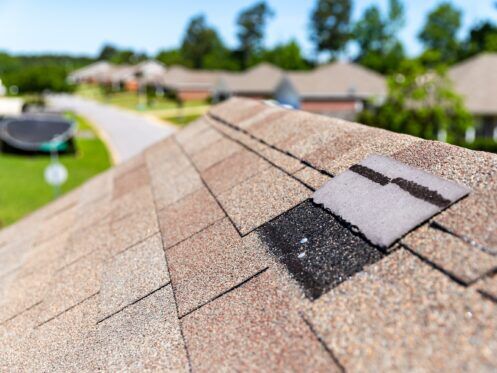
Winter can be brutal on Michigan roofs. As ice dams form, they could cause water to back up beneath shingles. This may lead to leaks and corresponding damage, such as wood rot, mold growth, and ceiling or wall staining. Below-freezing temperatures, heavy loads of snow, freeze-thaw cycles, and wind damage are a few additional factors that could result in major issues. Checking for the signs of subtle shingle damage early can help you address minor issues before they worsen during spring storms.
How Do I Check for Roof Damage?
It’s important to learn how to properly check for shingle damage. However, the key is to do it safely. There are multiple techniques you can use that can help you view your roof from several angles without putting yourself at risk.
Use Binoculars
If you’re looking for subtle damage, you may not be able to get a clear view simply by looking from ground level. This is where using binoculars can come in handy, as they allow you to get a closer look. Additionally, you could use the binoculars to view your roof from a neighbor’s window if they allow you to check from that angle.
Use a Drone
Using a drone can give you a close look at your shingles without having to climb up on the roof. It’s even better if the drone has photo or video capabilities in addition to real-time viewing. This allows you to keep the images for yourself, show them to our roofers, and potentially even share them with your insurance carrier. Make sure to review the local laws about flying drones in your area before you use one for this purpose.
Look Out Your Windows
Although you won’t be able to view your primary roof, you may be able to look out your windows to view lower roof sections. However, it’s crucial to do it safely. Never hang out your windows to get a closer look at potential shingle damage. Use other methods, such as binoculars or zooming in with your smartphone’s camera. If you opt for the latter, take photos or videos.
Walk Your Property
Walk throughout your property and look for any shingles that could have come from your home. It’s possible that you might not be able to see the damage on the roof. However, finding loose shingles could be a good indicator that it’s there. Don’t throw the shingles away if you find them. Put them aside, and our roofers can look at them.
Examine Your Attic
Even subtle shingle damage could lead to leaks within your home. It doesn’t take severe storm, snow, or water damage for you to see signs of it in your attic. For instance, you might notice musty odors or water stains on the walls or ceiling. In severe cases, there may even be visible mold growth. Additionally, during the daytime, you might see the sun shining through small holes in the ceiling. You should also keep an eye out for active dripping or pooling water on the floor during a rainstorm. If this happens, place buckets beneath the drips and wipe up the water to prevent damage, such as wood rot.
Check the Gutters
It’s normal for there to be some granules from your shingles in the gutters. This can happen with both new and older roofs. However, it’s problematic when you see excessive granules accumulating in the gutters. This can be a warning sign of trouble that needs professional attention. Only check the gutters if you can do it safely.
How Can Spring Storms Worsen Shingle Damage?
Michigan can experience strong storms with high winds and heavy rain. This means the weather goes from one extreme in winter to another in the spring. If you already have shingle damage on your roof, spring storms can worsen the situation significantly.
If shingles are already loose or cracked, strong wind gusts can lift them up even further or completely tear them off. Any small amount of damage underneath can allow rain to seep through onto the roof decking. When this happens, it could lead to wood rot, leaks, and mold growth. Unfortunately, this damage often doesn’t become noticeable until it’s already reached the serious stage.
What Should I Do if There’s Roof Damage?
If homeowners suspect shingle damage, many will quickly attempt to go on the roof to assess its condition. This can be incredibly dangerous, even during the sunniest days. However, it’s especially the case if the roof is slippery from moss or if it has recently rained.
If you think there’s shingle damage on your roof, the best thing you can do is call DriForce Property Restoration to schedule an inspection. Our experienced roofers can examine your roof and determine if there are problems. If they find any, they’ll inform you of their severity and recommend the next steps.
Are Old Roofs More at Risk for Shingle Damage Than Newer Roofs?
Yes, older roofs are generally more susceptible to shingle damage than newer roofs. This is primarily due to wear and tear over time, such as from weather exposure. The protective coatings can also degrade as the years pass. Additionally, new shingles are typically more pliable, whereas older shingles lose flexibility and become more brittle as they age.
Can I Delay Repairs if I Notice Roof Damage?
It’s not a good idea to delay repairs if you notice shingle damage, or even if you suspect it. Roof damage doesn’t get better on its own. It actually worsens over time, especially during damage from storms. Contacting our team is the best course of action. We can fix any existing problems and get your roof in good condition before the issues worsen and become more costly to repair.
Get Help Before Major Problems Arise
Get your roof in top shape before spring storms arrive. DriForce Property Restoration in Troy and Port Huron, MI, offers roof inspections, repairs, and maintenance to local homeowners. Call us today to schedule an appointment.