A sewage backup is the one water emergency where waiting makes everything worse by the hour. Raw sewage – what restoration pros call Category 3 or black water – carries bacteria, viruses, and contaminants that turn a wet basement into a health hazard. DriForce Property Restoration crews respond to sewage backups across Metro Detroit within 60 minutes, and this guide covers exactly what to do before we arrive, what professional cleanup involves, and how insurance coverage really works.
What Should You Do in the First 24 Hours After a Sewage Backup?
The first day decides how much of your property can be saved. Here is the field-tested order of operations:
Keep People and Pets Out of the Water
Category 3 water is not a mop-up job. Skin contact, and especially any cut or splash, can transmit serious pathogens. Children and pets should not enter the affected area at all – even after the water appears to recede.
Stop Using Water in the House
If the backup came from the main sewer line, every flush and every shower cycle adds volume to the flooded area. Stop all drains until the blockage point is identified.
Kill Power to the Affected Area – Safely
If the breaker panel is dry and reachable without stepping in water, cut power to the flooded rooms. If the panel sits inside the wet area, leave it and tell the responding crew.
Document Everything Before Cleanup Starts
Photograph the water line, the source point, and every affected room and item. Your insurance claim will be built on this documentation – and so will ours when we handle the water damage restoration and prepare the loss inventory for your adjuster.
Why Sewer Backups Keep Happening in Metro Detroit
Backups here are not random bad luck — they follow the infrastructure. Much of Wayne and southern Oakland County runs on combined sewer systems that carry stormwater and sanitary flow in the same pipes; when a summer cloudburst drops two inches an hour, the system surcharges and the overflow looks for the lowest opening — often a basement floor drain in Dearborn, Grosse Pointe, or Warren. Outside the combined districts, the usual suspects are tree roots working into aging clay laterals (most post-war Metro Detroit housing still drains through original 60- to 70-year-old lines), grease and wipe blockages in the home’s own lateral, and failed footing-drain connections that tie yesterday’s groundwater rules to today’s storm intensity. Knowing which failure you had matters, because the fix — and who may be liable — is different for each.
What Has to Go and What Can Be Saved
The triage rule for Category 3 losses is simple: porous and soaked means gone, hard and sealable means cleanable. Carpet, padding, particle-board furniture, cardboard, mattresses, and any drywall or insulation the water touched are removed — no sanitizer changes what wicked into them. Hard-surface furniture, tile, sealed concrete, metal, and most appliances with dry electronics survive with proper cleaning and disinfection. Two judgment calls people get wrong: wood studs and sill plates usually stay (they are cleaned, treated, and dried in place), and washing machines that stood in backup water need a service check before reuse, not replacement by default. Everything removed gets photographed and itemized first — discarded without documentation is discarded without reimbursement.
How Does Professional Sewage Cleanup Actually Work?
Sewage cleanup is a containment-first process, closer to biohazard cleanup than to ordinary water extraction:
Extraction and Containment
Contaminated water is extracted with dedicated equipment while the affected area is isolated so contamination does not migrate into clean rooms through foot traffic or airflow.
Removal of Porous Materials
Carpet, padding, and drywall that absorbed Category 3 water generally cannot be sanitized and must be removed. This is the step DIY cleanup always skips – and the reason DIY-cleaned basements fail air-quality tests months later. Our guide to black water damage explains the water categories in detail.
Cleaning, Sanitizing, and Structural Drying
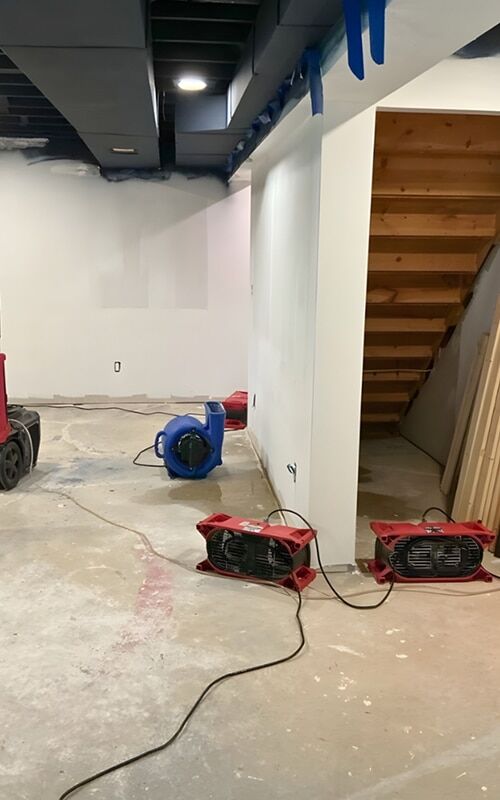
Every surviving surface is cleaned and treated with antimicrobials, then the structure is dried to verified moisture targets with commercial dehumidifiers and air movers – the same standard we hold on every emergency response from our Troy headquarters.
Does Insurance Cover Sewage Backup in Michigan?
Here is the honest answer most homeowners learn too late: standard homeowners policies exclude sewer and drain backups unless you carry a specific water backup endorsement – usually a modest add-on that covers $5,000 to $25,000 in backup damage. If your backup was caused by a municipal sewer failure, a claim against the municipality may also be possible, but Michigan’s sewage-backup liability law (MCL 691.1416-1419) generally requires written notice to the responsible government agency within 45 days of discovering the damage – miss that window and the claim can die regardless of merit. We work with adjusters on sewage losses every month: we document the source, separate backup damage from other water damage, and build the loss inventory your policy language actually responds to.
How to Keep It From Happening Again
After the cleanup, three upgrades do most of the protective work. A backwater valve on the sewer lateral physically blocks municipal surcharge from entering the house — it is the single highest-value fix for combined-sewer neighborhoods, and some Metro Detroit communities offer rebate programs for installing one. A battery-backed sump system keeps groundwater moving during the same storms that knock out power. And the water backup endorsement on your homeowners policy — typically far cheaper than one uncovered loss — is what turns the next event from a five-figure bill into a deductible. If your basement has backed up once, it has told you which failure mode your street has; protecting against that specific mode is money well spent.
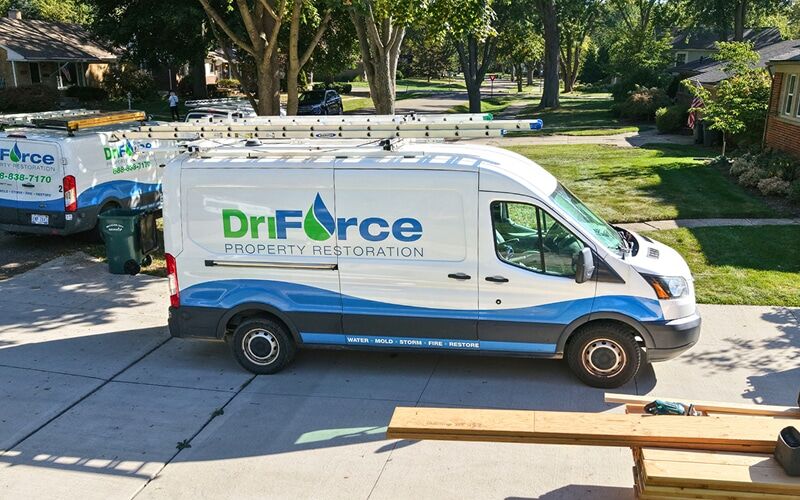
After the Crew Leaves: The Verification That Protects You
A sewage loss is not finished when the floor looks clean — it is finished when the numbers say so. Before we close a Category 3 job, the structure has to hit verified moisture targets on daily-logged readings, treated surfaces get a final inspection, and you receive the documentation package: source photos, the removal inventory, moisture logs, and the sanitization record. Keep all of it. That file is what answers an adjuster’s follow-up question in March, supports a municipal claim if your street’s sewer was the cause, and proves due diligence if you ever sell the house and a disclosure question comes up. It is also your baseline: if a musty smell shows up months later, the logs tell the next technician exactly what was dry on the day we left — which turns a mystery into a ten-minute diagnosis. Cheap cleanup skips the paperwork; that is precisely the part you end up needing.
Frequently Asked Questions
Schedule Sewage Backup Cleanup in Metro Detroit with DriForce Property Restoration
If sewage is backing up into your home or business right now, do not wait for it to recede – call DriForce Property Restoration at (888) 838-7170 or request emergency service online. Crews dispatch 24/7 with a 60-minute response commitment.